
How to Choose the Right Camping Sites for Your Trip
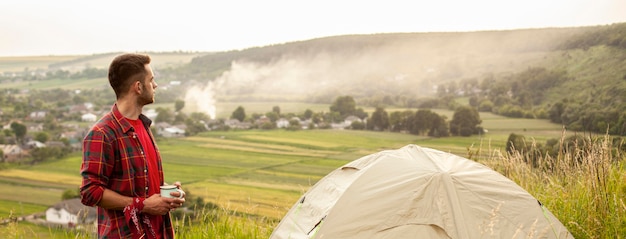
Camping offers a unique opportunity to disconnect from the hustle of daily life and immerse yourself in nature. Whether you’re an experienced outdoors enthusiast or a first-time camper, selecting the perfect campsite is essential for a successful adventure. The right site can make a world of difference, ensuring a comfortable, enjoyable, and safe experience. This guide will provide invaluable best camping site selection tips to help you find the ideal location for your next outdoor excursion.
Understanding Your Needs Before Choosing the Right Campsite
Before you even begin to search for a spot, it’s important to reflect on your needs and preferences. Not all campsites are created equal, and choosing the right campsite involves aligning the site with your intended experience. Ask yourself: What kind of environment do you desire? Do you prefer a remote, tranquil experience, or would you rather have a campsite near amenities and recreational activities? Additionally, consider the size of your group and your personal preferences for privacy, accessibility, and proximity to water sources.
Some campers may thrive in a wilderness setting, while others prefer sites with conveniences such as restrooms, electrical hookups, and easy access to hiking trails. If you’re planning to bring young children or elderly family members, a more accessible site might be essential. On the other hand, solo travelers seeking solitude may want to focus on more remote areas, far from crowds.
Best Camping Site Selection Tips to Keep in Mind
When it comes to how to pick the best campsite, there are several factors to consider. These elements can significantly impact your overall camping experience. Here are a few camping site tips to guide your decision:
1. Location and Scenic Beauty
The location of your campsite will set the tone for your entire trip. Consider the landscape that appeals to you most—whether it’s beside a peaceful lake, nestled in a dense forest, or at the foot of a mountain. Choose a spot with scenic views that will enhance your connection to nature. However, always be cautious about potential hazards such as proximity to wildlife, floods, or unstable terrain.
If you’re in an area with a variety of wildlife, such as bears, make sure the site is equipped with proper food storage and animal deterrents. It’s crucial to select a campsite that offers both beauty and safety.
2. Accessibility and Convenience
While some campers love the idea of trekking into the wilderness for a truly remote experience, others might prefer to park close to the campsite for ease of access. When choosing the right campsite, assess how easily you can reach it. Are the roads to the site well-maintained? Will you need a four-wheel-drive vehicle, or is it accessible with a standard car?
Consider your gear and how much effort you’re willing to exert to get to the site. If you’re bringing heavy equipment or have children, a location with easier access may be preferable. Also, think about amenities like picnic tables, fire pits, and restrooms, which can add a layer of comfort during your stay.
3. Proximity to Water Sources
Being near water is a major factor for many campers. It provides essential hydration, opportunities for fishing, and a refreshing place to swim. However, when how to pick the best campsite is a concern, proximity to water should be balanced with safety. Make sure the campsite isn’t too close to a river or lake that could flood during heavy rain. Additionally, some bodies of water might have strong currents, making it unsafe for swimming or fishing.
While it’s great to have a scenic lake nearby, it’s just as important to ensure the water source is clean and accessible for your needs. Always check for regulations regarding water use in your chosen location, especially in protected natural areas.
4. Weather and Seasonal Conditions
Weather can significantly affect your camping experience, so it’s important to consider the seasonal conditions before making a final decision. Are you camping in summer, fall, winter, or spring? The conditions in these seasons can vary dramatically. In warmer months, you may want a shaded spot to provide relief from the sun, while in colder months, you’ll need to find a site that offers shelter from the wind.
Some campsites are more exposed to the elements, which can make a big difference when temperatures fluctuate. Make sure you check weather forecasts in advance and prepare accordingly, taking into account the temperature, potential storms, and other environmental factors.
5. Privacy and Noise Levels
One of the great pleasures of camping is the ability to escape from the noise of the world. When choosing the right campsite, consider how much privacy you desire. Sites located in popular parks or near trailheads can become crowded, especially during peak seasons. If you value solitude, seek out less frequented areas that offer a more peaceful atmosphere.
In addition to privacy, consider the potential noise sources around the campsite. Are there busy roads nearby? Is the site close to a campground with numerous campers? If quiet is important to you, avoid areas where noise from fellow campers or passing vehicles will interfere with your relaxation.
6. Safety Considerations
Safety should be a top priority when how to pick the best campsite is the focus. Make sure you’re aware of potential hazards such as wildlife encounters, unstable terrain, or natural disasters like wildfires. Some areas may have strict regulations regarding campfires or food storage to prevent attracting animals, particularly in bear country. Always follow safety guidelines and choose sites that minimize risks while maximizing enjoyment.
If you’re camping in a less-developed area, it’s vital to know where the nearest medical facility or ranger station is located. Being prepared for emergencies can make all the difference between a fun trip and a dangerous situation.
Conclusion
In conclusion, choosing the right campsite involves much more than simply picking a spot to set up a tent. The best camping site selection tips are based on assessing your personal preferences, the terrain, and environmental factors that could enhance or detract from your experience. By considering accessibility, weather, safety, and privacy, you can find a site that aligns perfectly with your camping goals. Use these camping site tips to ensure that your next adventure is as enjoyable and safe as possible. Whether you’re seeking peace in a remote wilderness or comfort in a family-friendly campground, the right campsite can make all the difference in your outdoor journey.


