
Exploring Remote Destinations with Backpacking Trips
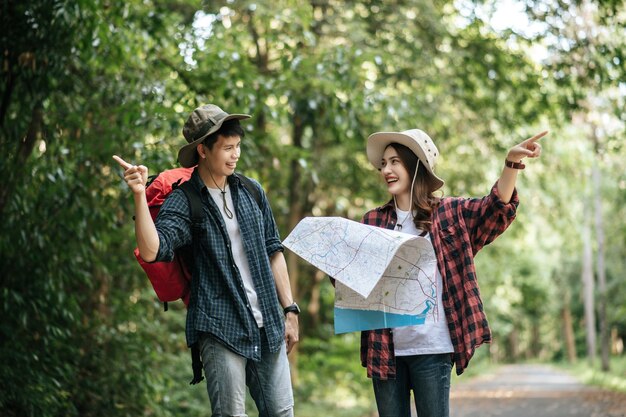
In a world where modern life often demands constant connection, the allure of remote backpacking destinations offers a refreshing escape. For those seeking solitude, adventure, and an authentic connection to nature, venturing off the beaten path presents an unmatched opportunity. Backpacking to these distant places promises experiences that are both physically demanding and mentally rejuvenating, away from the crowded tourist spots. Whether trekking through rugged mountain ranges, traversing dense forests, or navigating barren deserts, the appeal of exploring isolated backpacking routes is undeniable.
The Allure of Remote Locations
Backpacking to remote locations is a chance to leave the chaos of daily life behind and immerse oneself in the wilderness. For many, the idea of being isolated from the conveniences and noise of the modern world is invigorating. These destinations, far from the comfort of well-trodden paths, offer a profound sense of freedom. The rawness of these environments fosters a deep respect for nature’s untouched beauty. Mountains stand tall and majestic, rivers flow with untamed force, and forests stretch endlessly, unspoiled by human interference.
In these remote locales, the act of navigating terrain becomes more than just a journey; it is a test of endurance, resourcefulness, and self-reliance. The farther one travels from civilization, the more the experience transcends mere recreation, becoming an adventure that redefines personal limits.
The Appeal of Isolation
The benefits of exploring isolated backpacking routes extend beyond physical exploration. There is a mental and emotional rejuvenation that comes with the solitude of the wilderness. Away from the distractions of daily life, backpackers can reflect, recharge, and reconnect with their inner selves. This aspect of isolation is a critical component for those who wish to experience the essence of nature in its purest form.
Many remote locations are so secluded that they require a true sense of adventure and perseverance to reach. These areas often lack the amenities and comfort of popular tourist trails, but in return, they offer an unrivaled sense of accomplishment and peace. Backpackers who venture into these areas often find themselves surrounded by stunning landscapes that have remained virtually untouched for centuries. The solitude provides space for deeper introspection, and the silence is often louder than anything found in a bustling city.
Challenges of Remote Backpacking
Adventures in remote backpacking are not without their challenges. The isolation that makes these trips so appealing also brings with it a unique set of obstacles. From unpredictable weather patterns to difficult terrain, backpackers must be prepared for any situation. Navigation in these rugged environments requires skill and an intimate understanding of the landscape, as well as the ability to adapt to unexpected changes. Unlike traditional hiking routes, where signs and well-marked trails are the norm, exploring isolated backpacking routes often means following faint trails or even creating your own path.
It is not uncommon for backpackers to encounter wildlife, unpredictable terrain, and extreme conditions. This requires both physical stamina and mental fortitude. Proper preparation becomes paramount in ensuring a safe and successful journey. Carrying the right equipment, knowing how to use it, and understanding how to live off the land can mean the difference between a successful adventure and a dangerous ordeal. The rewards, however, are immense.
Planning for Success
When preparing for an adventure in remote backpacking, meticulous planning is essential. Unlike standard backpacking trips, journeys into remote areas often involve more than just checking a map. Knowledge of local wildlife, weather patterns, and potential hazards is critical. Researching the area, connecting with locals or experts, and ensuring you have the proper permits (if necessary) can greatly increase your chances of success.
Selecting the right gear is equally important. A well-packed backpack with all the essentials—such as food, water, clothing, navigation tools, and safety equipment—can make or break the trip. One must also consider the weight of the backpack, as carrying too much can be burdensome when trekking through remote, rugged landscapes.
Benefits Beyond the Physical
The physical benefits of backpacking to remote locations are clear—strengthened muscles, improved endurance, and a deepened connection to the outdoors. However, the mental benefits can be just as transformative. The intense focus required to navigate through harsh landscapes sharpens decision-making skills and cultivates resilience. Backpackers often come away from these journeys with a renewed sense of confidence, feeling empowered by the challenges they have overcome.
Moreover, these expeditions provide an unparalleled sense of freedom. Away from the noise of the world, backpackers are free to set their own pace, choose their own path, and experience nature in its most raw and unfiltered form. This kind of freedom is both humbling and empowering, a feeling few experiences in life can match.
A Connection to Something Larger
Ultimately, adventures in remote backpacking offer something beyond just the physical thrill of exploration—they provide an opportunity to reconnect with the planet on a fundamental level. These remote destinations, often inaccessible to the average traveler, offer a glimpse into a world that many have never known and few have ever seen. For those who venture into these wildernesses, there is a sense of having experienced something profound, something that touches the soul in ways that words often fail to describe.
In conclusion, remote backpacking destinations provide some of the most rewarding and transformative experiences available. Whether it’s the physical challenge of navigating difficult terrain, the mental clarity found in isolation, or the pure joy of exploring untouched landscapes, the call of the wild is irresistible. As more people seek these types of adventures, the opportunity to discover new, hidden gems of nature becomes more accessible. For those who dare to venture into the remote corners of the earth, the rewards are boundless—adventures that will linger long after the journey has ended.


